
Samsung Introduces ISOCELL HPC: World’s First Smartphone Camera Sensor with DeepPix Technology
Samsung has officially expanded its mobile imaging portfolio with the launch of the ISOCELL HPC, a next-generation flagship camera sensor designed to deliver better image quality, improved dynamic range, and enhanced low-light photography. The new sensor also marks the debut of DeepPix technology, an innovation that Samsung says allows each pixel to capture more light while supporting 16-bit RAW image output.
The announcement signals Samsung’s continued focus on advancing smartphone photography, especially as flagship devices increasingly rely on computational imaging and larger sensors to produce DSLR-like results.
With a combination of new hardware and imaging technology, the ISOCELL HPC is expected to power premium smartphones arriving later this year.
Samsung ISOCELL HPC: What’s New?
The ISOCELL HPC is Samsung’s latest 200MP smartphone image sensor. While high-resolution sensors have become more common in flagship smartphones, Samsung says this model introduces several hardware improvements aimed at producing better photos in both daylight and low-light conditions.
Key Specifications
- Resolution: 200MP
- Sensor Size: 1/1.3-inch
- Pixel Size: 0.6μm
- RAW Support: 16-bit RAW
- Video Recording: Up to 4K at 180fps
- HDR Support: 16-bit HDR
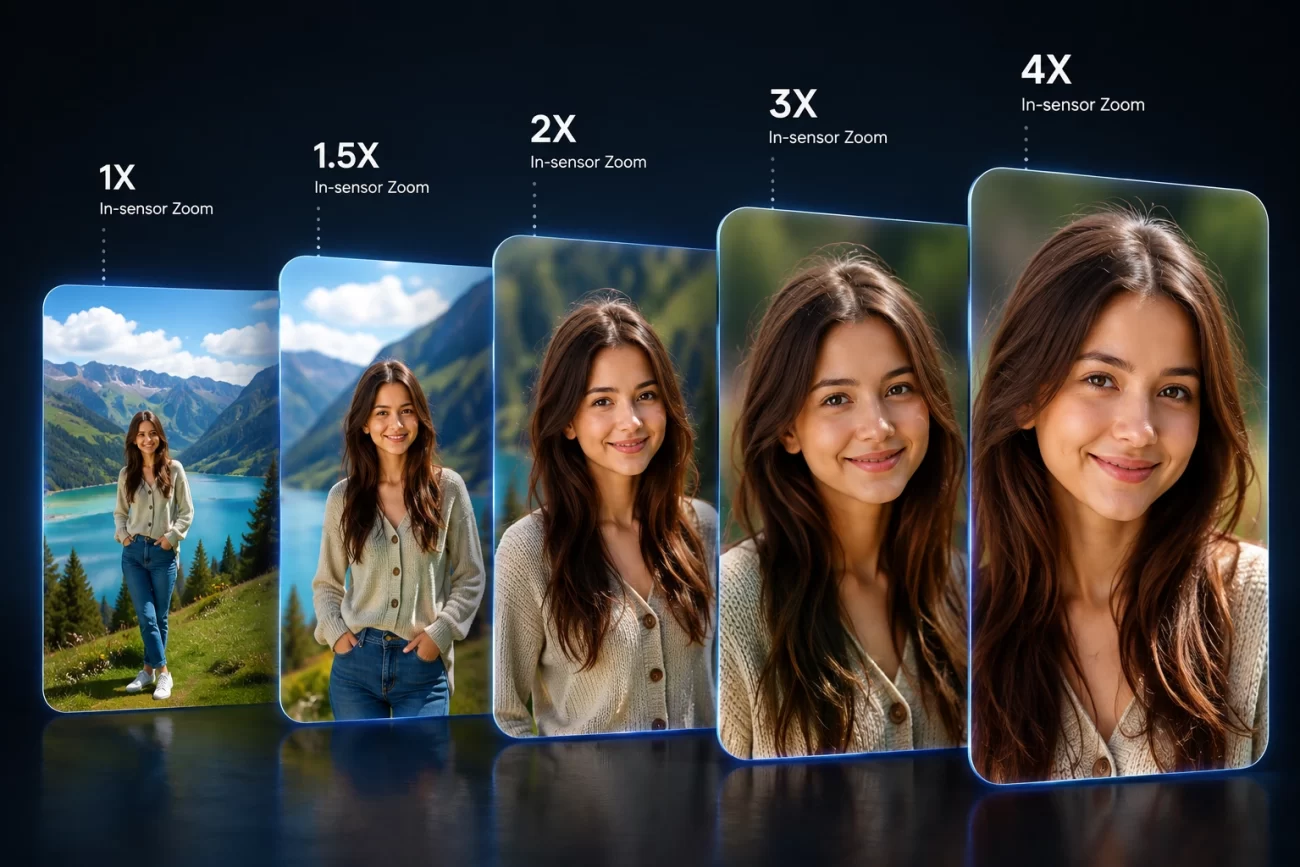
- Zoom HDR: 1x, 1.5x, 2x, 3x and 4x
These upgrades are intended to improve image quality without relying solely on software processing.
DeepPix Technology Explained
The standout feature of the new ISOCELL HPC sensor is DeepPix technology, which Samsung describes as a major step forward in smartphone imaging.
Traditional camera sensors can struggle when scenes contain both very bright and very dark areas. Overexposed highlights and loss of shadow details are common challenges.
Samsung says DeepPix addresses this issue by allowing each individual pixel to collect more light before reaching its exposure limit.
As a result, users can expect:
- Better highlight preservation
- More visible shadow details
- Improved color accuracy
- Wider dynamic range
- Reduced overexposure
This should help smartphones capture more balanced images in difficult lighting situations such as sunsets, city lights, concerts, and indoor environments.
16-bit RAW for Professional Photography
Another major improvement is support for 16-bit RAW image output.
RAW files preserve significantly more image data than standard JPEG photos, giving photographers greater flexibility during editing.
According to Samsung, the new sensor’s 16-bit RAW capability provides:
- Higher color precision
- Better exposure recovery
- Improved white balance adjustment
- More editing flexibility
- Cleaner image processing
For content creators and mobile photographers, this could result in noticeably higher-quality photos during post-production.
iPhone 18 Pro Launch Could Face Supply Shortages Due to DRAM
Better HDR Performance Across Zoom Levels
One of the common challenges with smartphone cameras is maintaining image quality while zooming.
Samsung says the ISOCELL HPC is designed to deliver consistent HDR performance across multiple in-sensor zoom levels.
Supported zoom levels include:
- 1x
- 1.5x
- 2x
- 3x
- 4x
This means users should experience similar dynamic range and color performance regardless of whether they are shooting at standard or zoomed-in focal lengths.
Enhanced Low-Light Photography
Low-light performance remains one of the biggest priorities for smartphone manufacturers, and Samsung claims the ISOCELL HPC takes another step forward.
The company has redesigned the sensor’s light-guiding system to direct more light toward each pixel.
Combined with DeepPix technology, this improvement is expected to deliver:
- Brighter night photos
- Less digital noise
- Better detail in dark scenes
- More natural colors after sunset
While real-world performance will depend on the smartphone’s camera software, the hardware itself appears well-equipped for challenging lighting conditions.
4K Video at Up to 180fps
Video creators also have something to look forward to.
The ISOCELL HPC supports 4K video recording at up to 180 frames per second, enabling smoother slow-motion footage while maintaining high resolution.
This capability could benefit:
- Content creators
- Mobile filmmakers
- Sports videographers
- Action recording
- Social media creators
Higher frame rates allow videos to be slowed down significantly while preserving smooth motion.
Redesigned Lens and Light System
Samsung has also introduced a new optical design for the ISOCELL HPC.
The sensor features an upgraded lens and light-guiding structure that channels more incoming light toward the pixels.
This enhancement works together with DeepPix technology to maximize brightness and improve image clarity.
The company believes this combination will deliver sharper images with better detail and more consistent exposure across a variety of shooting conditions.
Which Phones Could Feature the ISOCELL HPC?
Samsung has not yet confirmed which smartphones will debut with the new camera sensor.
However, industry observers expect the ISOCELL HPC to appear in upcoming flagship smartphones launching later this year.
Potential candidates may include future Samsung Galaxy Ultra models or premium devices from other smartphone manufacturers that use Samsung camera hardware.
Official device announcements are expected in the coming months.
Samsung ISOCELL HPC Specifications
| Feature | Details |
|---|---|
| Sensor Resolution | 200MP |
| Sensor Size | 1/1.3-inch |
| Pixel Size | 0.6μm |
| Technology | DeepPix |
| RAW Support | 16-bit RAW |
| HDR | 16-bit HDR |
| Zoom HDR | 1x, 1.5x, 2x, 3x, 4x |
| Video Recording | 4K up to 180fps |
| Low-Light Enhancement | Yes |
Why This Sensor Matters
Smartphone cameras have improved dramatically over the past decade, but achieving excellent image quality in every lighting condition remains a challenge.
The ISOCELL HPC focuses on solving several long-standing issues, including:
- Better HDR processing
- Improved low-light performance
- Professional-grade RAW photography
- More consistent zoom quality
- Faster high-resolution video capture
If Samsung’s claims translate into real-world performance, the sensor could become one of the biggest upgrades in smartphone photography this year.
Frequently Asked Questions (FAQs)
What is Samsung ISOCELL HPC?
The Samsung ISOCELL HPC is a new 200MP flagship smartphone camera sensor featuring DeepPix technology, 16-bit RAW support, enhanced HDR, and improved low-light performance.
What is DeepPix technology?
DeepPix is Samsung’s new imaging technology that allows each pixel to capture more light before becoming overexposed, resulting in better dynamic range and improved image quality.
Does ISOCELL HPC support RAW photography?
Yes. The sensor supports 16-bit RAW output, giving photographers more flexibility when editing images.
What video resolution does the ISOCELL HPC support?
The sensor can record 4K video at up to 180 frames per second, enabling high-quality slow-motion recording.
Which smartphones will use the ISOCELL HPC?
Samsung has not officially confirmed the first devices yet, but the sensor is expected to appear in premium smartphones launching later this year.
Final Verdict
Samsung’s ISOCELL HPC represents a significant step forward in smartphone camera technology. Rather than focusing only on increasing megapixels, the company has introduced DeepPix technology, enhanced HDR capabilities, and 16-bit RAW support to improve the overall imaging experience.
While real-world performance will ultimately depend on how smartphone manufacturers optimize the sensor, the ISOCELL HPC has the potential to deliver better low-light photography, more detailed HDR images, and smoother high-frame-rate video. As flagship smartphones equipped with this sensor begin to arrive, it will be interesting to see how it competes with the latest camera systems from other leading brands.
3 thoughts on “Samsung ISOCELL HPC Unveiled: 200MP Sensor Introducing DeepPix Tech & 16-Bit RAW”
Comments are closed.